


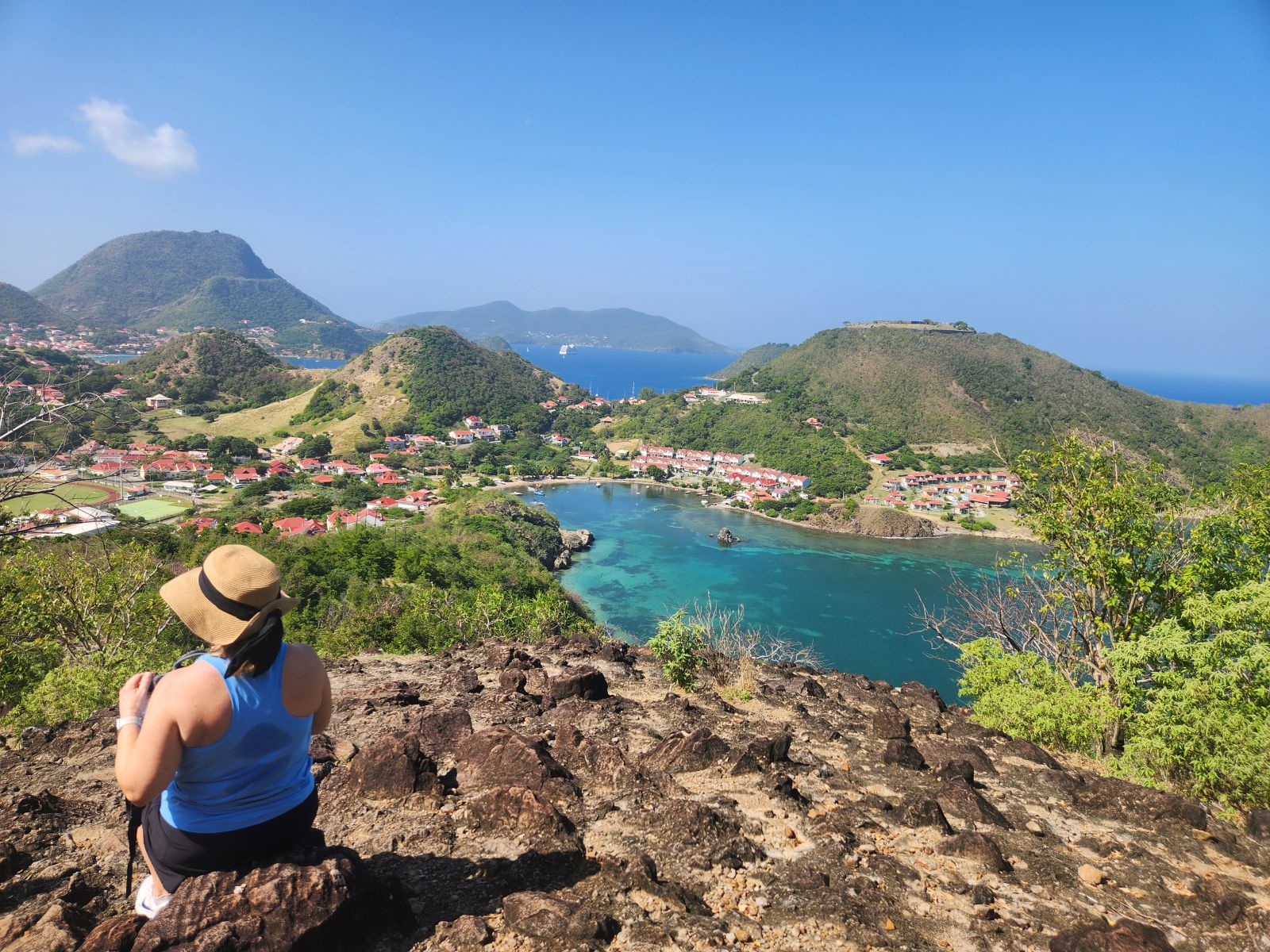
Guadeloupe, gem of the Antilles, is exposed to several natural risks related to its geography: earthquakes frequent, Volcanic activity with La Soufrière, and cyclones tropical during the rainy season. These phenomena, although sometimes impressive, are closely monitored by experts. Understanding these risks allows for a better appreciation of the richness and power of this territory.

1. Seismic risk in Guadeloupe
Located in an active subduction zone, Guadeloupe is exposed to regular seismic activity. Earthquakes can be minor and imperceptible, but some can be felt. Infrastructure is designed to withstand these tremors, and the population is trained in the correct responses (protection, evacuation, etc.).
Guadeloupe is a seismic zone due to its location on the boundary between the North American and Caribbean tectonic plates. This boundary is a subduction zone where the North American plate is sliding beneath the Caribbean plate. This movement causes stress to build up along the fault lines, which is then released in the form of earthquakes.
Guadeloupe is located on the border of two major tectonic plates: the Caribbean plate and the Atlantic plate (or North American plate). This area is called a subduction zone because the Atlantic plate is slowly sliding beneath the Caribbean plate. This movement creates significant geological stresses, which are released in the form of earthquakes, sometimes felt on the surface.
These earthquakes in Guadeloupe can be frequent but often of low intensity. However, more powerful earthquakes are possible, such as the one in 2004 near Les Saintes and more recently the one on October 27, 2025. Seismic activity in Guadeloupe is therefore natural and constant, hence the importance of a good level of preparation and information.
Traveler's tip: In case of an earthquake, protect yourself under a table or in a doorway, then evacuate calmly once the shaking has stopped.
The Volcanological Observatory's bulletins, October 27, 2025 earthquake and stay informed with Prefecture of Guadeloupe.
Thoughtful and secure accommodation: Green Bananas

2. Volcanic risk
The La Soufrière volcano, located on Basse-Terre, is active but under constant surveillance by The OVSG-IPGP. This is a Peléan-type volcano, with mainly fumarolic activity (fumaroles, gas emissions).
Guided hikes allow you to discover its lunar landscapes, in complete safety.
Good to know: access to the summit may be temporarily closed during peak activity. This is part of effective preventive measures.
To discover the volcano with a guide and protective equipment: Vert-Intense.


3. Cyclonic risk
Between June and November, the archipelago enters hurricane season. Météo-France Antilles-Guyane is closely monitoring hurricanes and cyclones.
Early warnings allow residents and tourists alike to take shelter. Tourist accommodations have specific protocols for these situations.
Practical advice : Prioritize the period from December to May to avoid any weather-related risks. However, the June to August period has advantages with the mango season, flamboyant trees in bloom, and the Caribbean Sea being a bit warmer.
To organize your stay: Intense Green
Weather Guadeloupe
Conclusion: a living but well-managed nature
Yes, nature exposes Guadeloupe to certain risks… but, above all, it offers it a living majesty that experts vigiantly monitor. Thanks to adapted infrastructure and local expertise in risk management, you can discover the archipelago with complete confidence.
And frankly, sunsets in Les Saintes, golden sand beaches, tropical waterfalls, and the Creole atmosphere, that's worth a little vigilance, right? 😉
